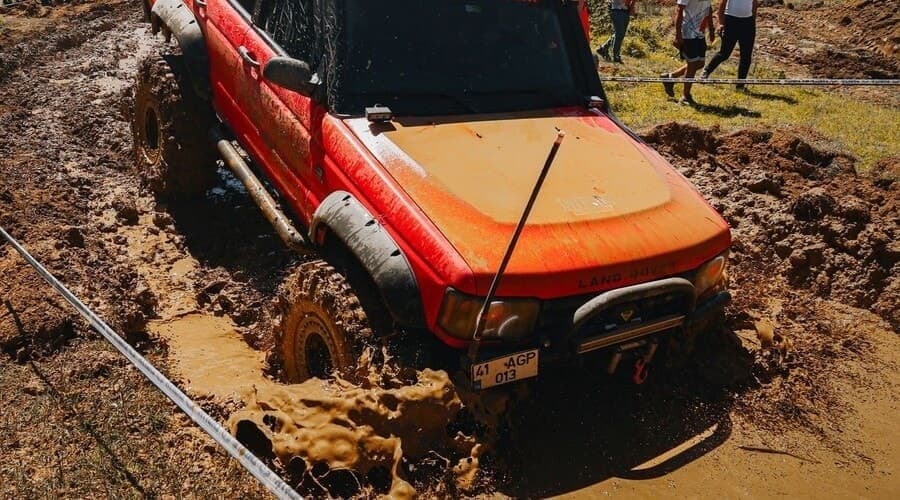
Water hides depth, current and what’s on the bottom. Ten minutes on foot beats an hour waiting on a tow.
- Wade it with a stick if it’s safe to wade. If it isn’t, that’s your answer.
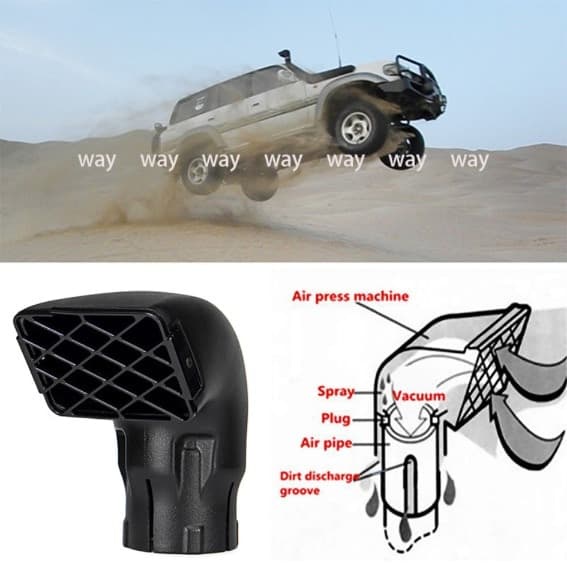
- Know where your air intake sits before you know the water depth.
- Look at the exit. A steep, slick bank stops more rigs than the water does.
- Steady pace. Small bow wave. No splash photos.
Great point! Water crossings can be unpredictable, so checking the depth, current, and exit route before moving forward is essential. If conditions don't look safe, turning back is always the right call. No adventure is worth risking lives or damaging your vehicle!
– AdventureBuddy